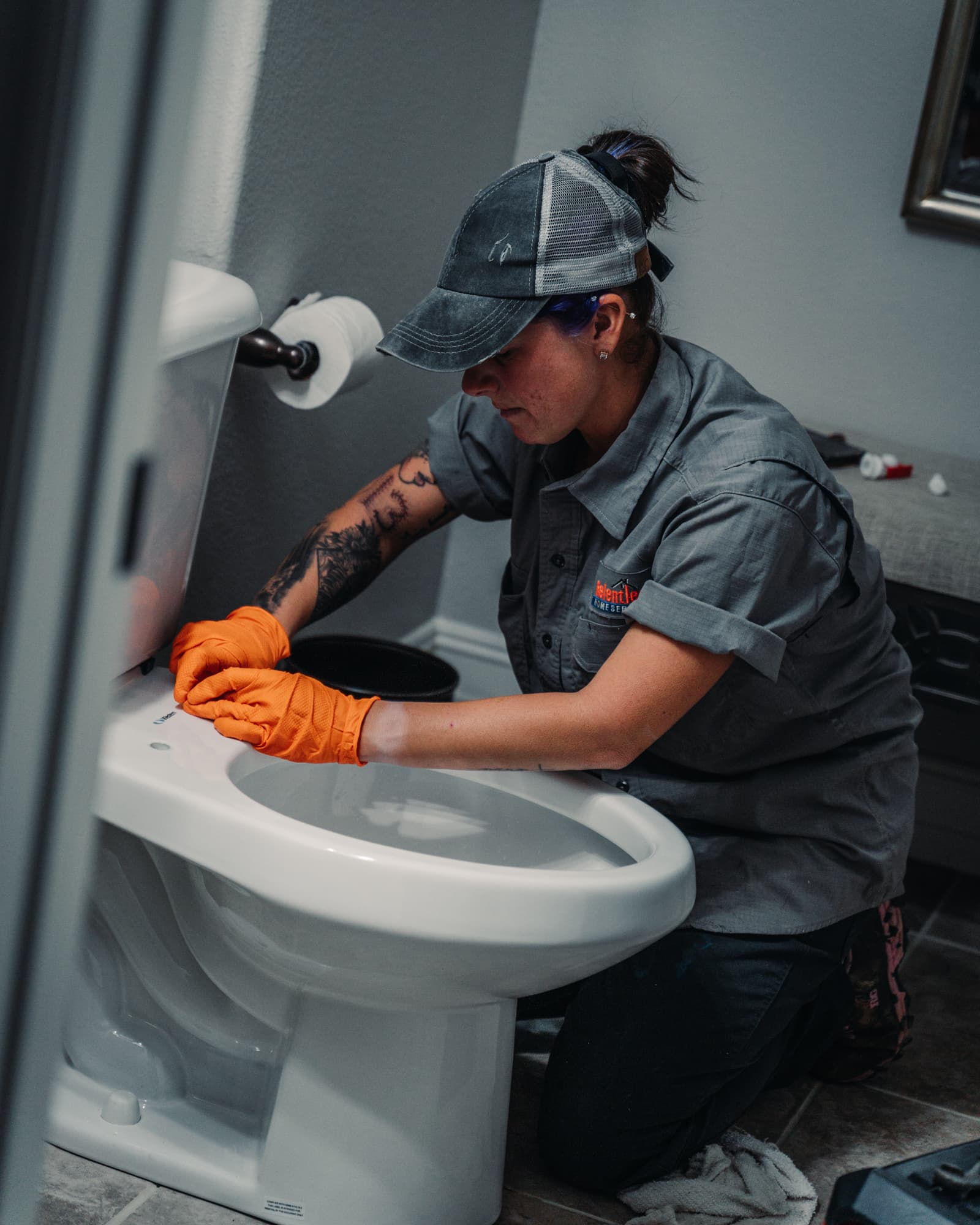
It's a question we hear a lot: "Why does plumbing cost so much?" It's a fair question — and the answer might change the way you think about what you're paying for. Let's break down the real costs behind professional plumbing work.
Licensing and Training
Becoming a licensed plumber isn't quick or easy. In Texas, it requires years of apprenticeship under a licensed professional, thousands of hours of hands-on training, and passing rigorous state exams. Many plumbers also pursue additional certifications in specialties like gas lines, water heaters, or water treatment. This expertise doesn't come cheap, and it's what separates a qualified professional from someone who watched a YouTube video.
Insurance and Bonding
Legitimate plumbing companies carry significant insurance: general liability, workers' compensation, vehicle insurance, and often professional liability coverage. This protects you if something goes wrong. If an uninsured plumber causes water damage to your home, you're on the hook. When you hire a properly insured company, you're protected.
Tools and Equipment
Professional plumbing requires specialized tools that most people don't realize exist. Sewer cameras for video inspection can cost $5,000-$15,000. Hydro jetting equipment runs $10,000-$30,000. Leak detection equipment, pipe threading machines, soldering tools — the list goes on. A fully equipped plumbing van represents a $50,000-$100,000 investment in tools and inventory.
Overhead Costs
Running a plumbing business involves office staff, dispatchers, bookkeeping, marketing, vehicles, fuel, uniforms, and ongoing training. There's also the cost of maintaining licenses, permits, and compliance with local codes. These aren't profit — they're the cost of being available when you need us.
The Value of Getting It Right
Here's the thing most people don't consider: a professional plumber saves you money in the long run. A $200 repair done correctly lasts for years. A $50 "handyman special" that fails in six months leads to water damage, mold, and a much bigger bill. We've been called to fix countless DIY and cut-rate plumbing jobs that ended up costing homeowners far more than doing it right the first time.
What You're Really Paying For
When you hire a professional plumber, you're not just paying for someone to turn a wrench. You're paying for:
- Years of training and expertise to diagnose problems quickly and accurately
- The right tools and equipment to do the job properly
- Insurance that protects your home and family
- A warranty on the work performed
- The peace of mind that comes from knowing the job was done to code
How to Get Fair Pricing
Not all plumbers charge the same, and price alone doesn't tell you who's best. Here are some tips for getting fair value:
Get multiple quotes for large jobs. But compare apples to apples — make sure each quote covers the same scope of work.
Ask about flat-rate pricing. Companies that charge by the job (not by the hour) give you a clear price upfront with no surprises.
Look at reviews. A plumber with hundreds of positive reviews charging $300 is likely a better value than an unknown charging $150.
Ask about warranties. Quality companies stand behind their work. Our Peace of Mind Protection Plan offers 12-month repair guarantees and 15% discounts on all services.
At Relentless Home Services, we believe in transparent, upfront pricing with no hidden fees. You'll know exactly what the job costs before we start. Call us at (817) 271-2999 for a free consultation.
Need Help? We're Here For You
Our team is available for questions, advice, and professional service.
More Articles
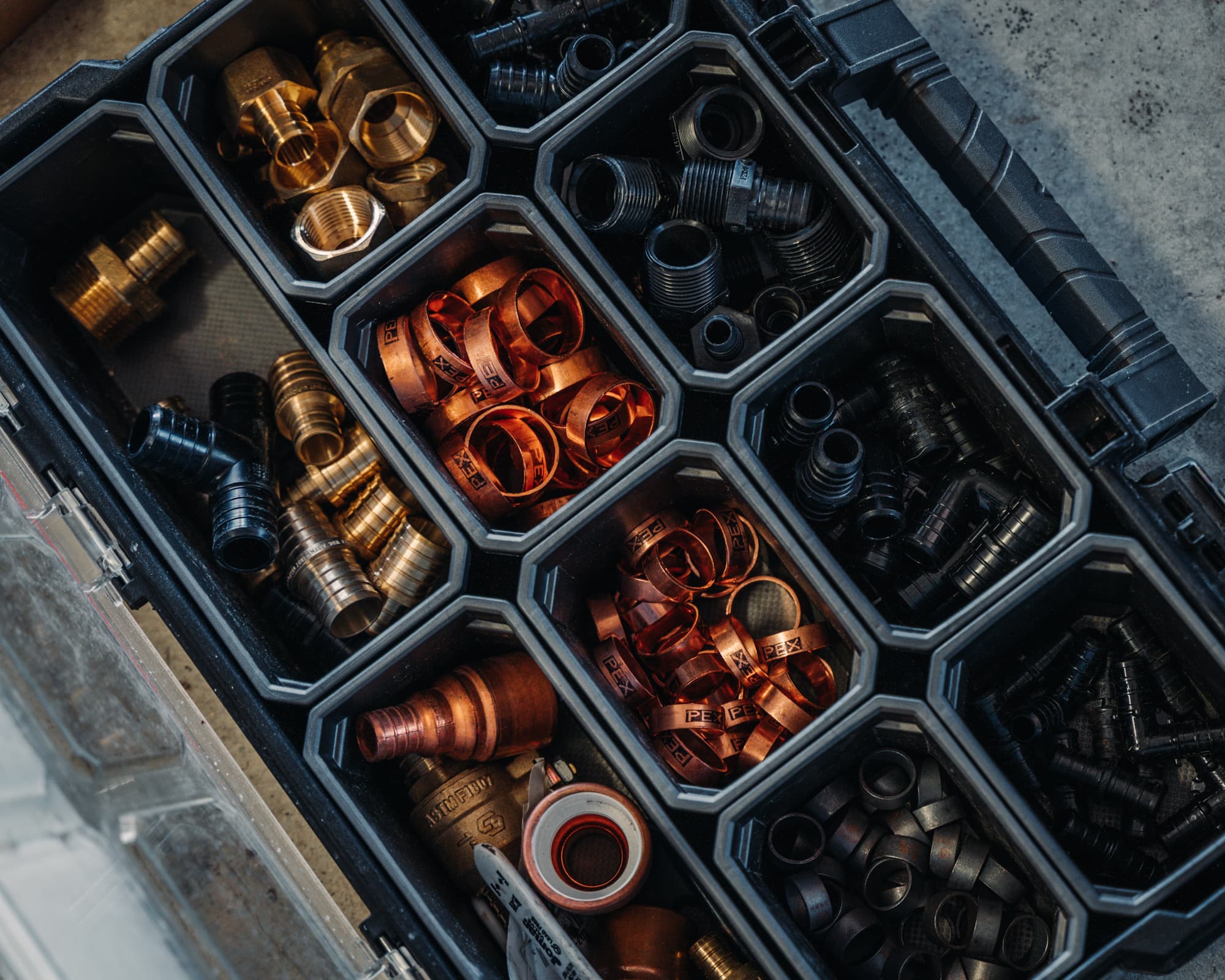
10 Awesome Plumbing Hacks Every Homeowner Should Know
Discover simple plumbing tricks that can save you time and money. From preventing clogs to fixing minor leaks, these tips are essential for every homeowner.
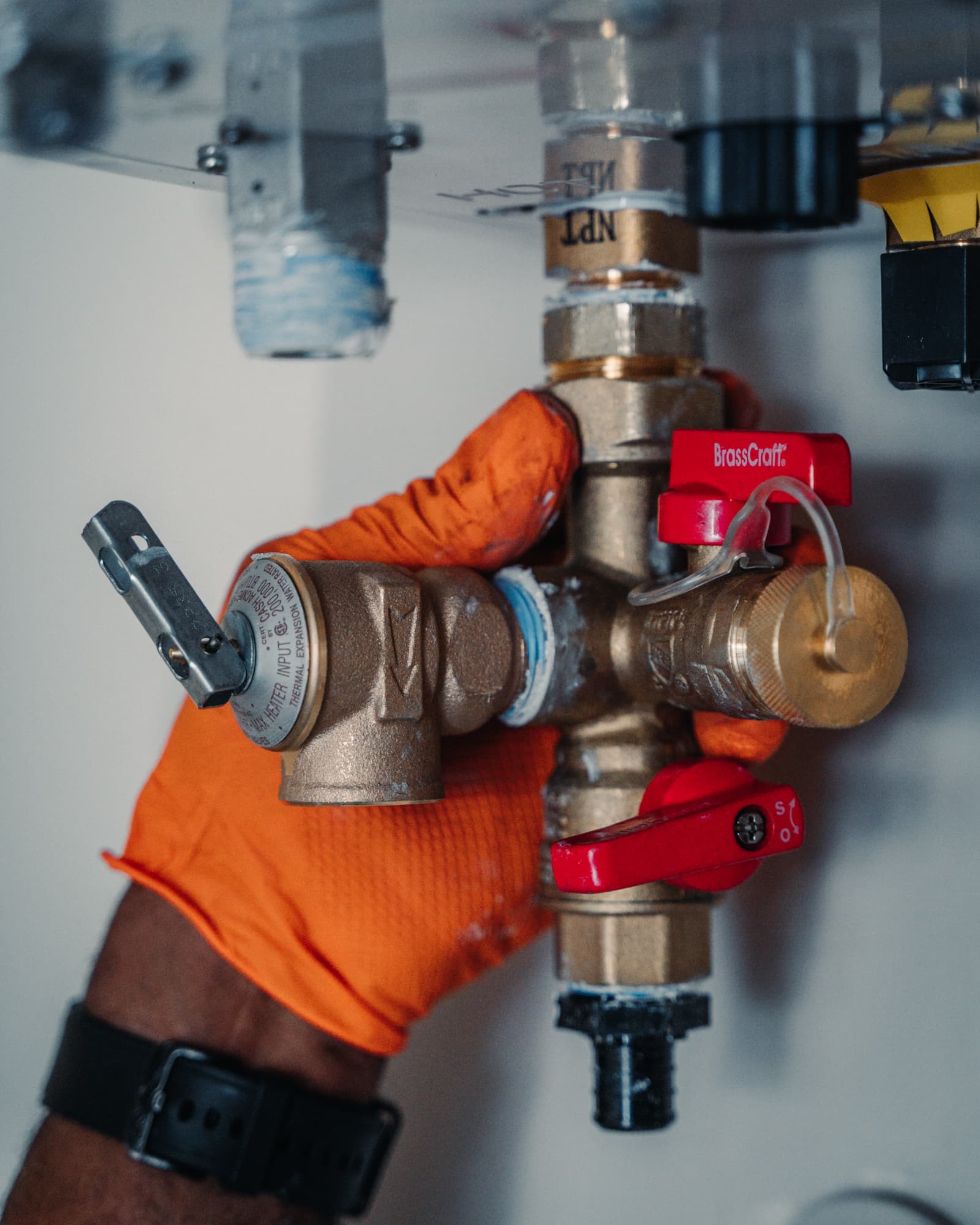
How Does a Tankless Water Heater Work?
Learn how tankless water heaters provide endless hot water on demand and whether they're the right choice for your home.
Benefits of Installing a Water Softener in Your Fort Worth Home
Hard water can damage your plumbing and appliances. Learn how a water softener can protect your home and improve water quality.