Plumbing problems are one of the most common — and most frustrating — issues homeowners face. But not every issue requires a professional. Here are 10 plumbing hacks that can save you time, money, and a lot of stress.
1. Use a Wet/Dry Vacuum for Clogs
Before reaching for the chemical drain cleaner, try a wet/dry vacuum. Set it to liquids mode, create a tight seal over the drain, and turn it on. The suction can pull out clogs that a plunger can't budge — especially useful for hard objects like toys or soap caps stuck in the drain.
2. Check Your Water Pressure Regularly
High water pressure might feel great in the shower, but it puts serious stress on your pipes, fittings, and appliances. Pick up an inexpensive pressure gauge from the hardware store, attach it to an outdoor spigot, and check your reading. Ideal residential pressure is between 40-60 PSI. If it's consistently above 80 PSI, consider installing a pressure reducing valve.
3. Know Where Your Main Shut-Off Valve Is
This is possibly the most important hack on this list. If a pipe bursts, you need to stop the water fast. Find your main shut-off valve now — before an emergency. It's usually located near the water meter or where the main line enters your home. Turn it off and on once a year to make sure it works.
4. Use Thread Tape the Right Way
When connecting threaded pipes or fittings, always wrap plumber's tape (Teflon tape) clockwise around the male threads. Three to five wraps is usually enough. This creates a watertight seal and makes future disassembly easier. Wrapping the wrong direction causes the tape to unwrap as you screw the fitting on.
5. Fix Running Toilets Immediately
A running toilet can waste up to 200 gallons of water per day. Usually, it's a worn flapper valve — a $5 part you can replace in 10 minutes. Lift the tank lid, check the flapper for warping or mineral buildup, and replace it if needed. This one fix can save you $50 or more on your monthly water bill.
6. Prevent Frozen Pipes in Winter
When temperatures drop below freezing, open cabinet doors under sinks on exterior walls, let faucets drip slightly, and keep your thermostat above 55°F. For exposed pipes in unheated areas like the garage or crawl space, use foam pipe insulation. It's cheap insurance against a burst pipe.
7. Never Pour Grease Down the Drain
Grease might be liquid when it goes down, but it solidifies as it cools and coats the inside of your pipes. Over time, this builds up and creates major clogs. Instead, pour grease into a container, let it cool, and throw it in the trash. Your drains will thank you.
8. Use a Drain Screen in Every Drain
Hair and debris are the top causes of drain clogs. A simple mesh drain screen costs a couple of dollars and catches all of that before it enters your pipes. Use them in showers, bathtubs, and kitchen sinks. Clean them out weekly and you'll rarely deal with slow drains.
9. Flush Your Water Heater Annually
Sediment builds up at the bottom of your water heater tank over time, reducing efficiency and shortening its lifespan. Once a year, attach a garden hose to the drain valve at the bottom of the tank and flush out a few gallons until the water runs clear. This simple maintenance can extend the life of your water heater by several years.
10. Know When to Call a Professional
DIY fixes have their limits. If you're dealing with sewer line issues, gas leaks, major leaks behind walls, or anything that involves your main water line, call a licensed plumber. Attempting these repairs yourself can lead to much more expensive damage — or even safety hazards.
At Relentless Home Services, we're always here to help with the jobs that are too big for DIY. Give us a call at (817) 271-2999 for honest advice and professional service.
Need Help? We're Here For You
Our team is available for questions, advice, and professional service.
More Articles
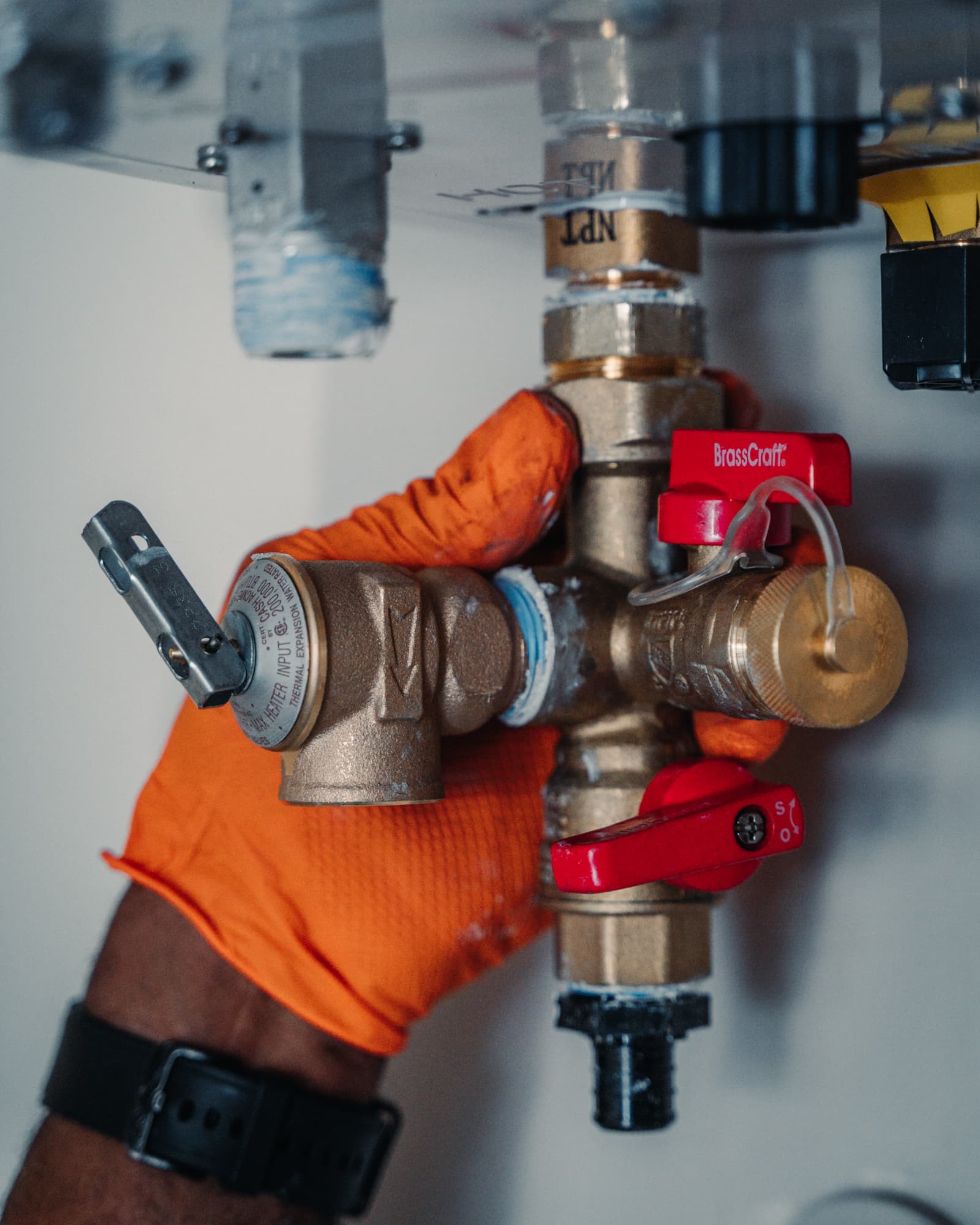
How Does a Tankless Water Heater Work?
Learn how tankless water heaters provide endless hot water on demand and whether they're the right choice for your home.
Benefits of Installing a Water Softener in Your Fort Worth Home
Hard water can damage your plumbing and appliances. Learn how a water softener can protect your home and improve water quality.
How to Avoid Frozen Pipes This Winter
Frozen pipes can cause major damage. Learn how to protect your plumbing during cold Texas winters.