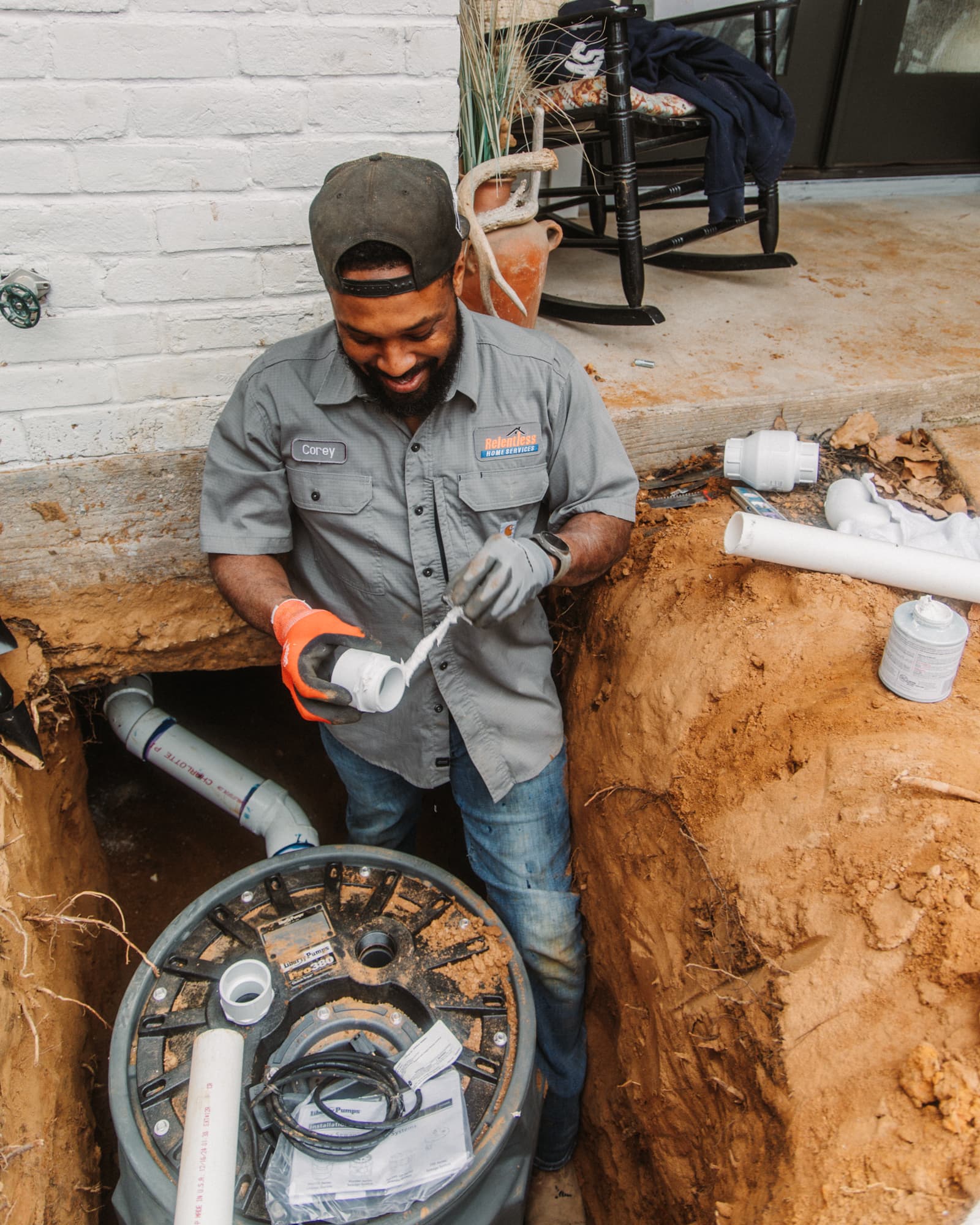
Texas winters can be unpredictable. While we don't see the extreme cold that northern states deal with, our plumbing systems aren't built for it either — which makes freezing temperatures even more dangerous for Fort Worth homes. A single burst pipe can cause thousands of dollars in water damage. Here's how to protect your home.
Why Pipes Freeze in Texas
Homes in Texas are typically built with less insulation around plumbing than homes in colder climates. Pipes are often routed through attics, exterior walls, and crawl spaces with minimal protection. When temperatures drop below 32°F — especially for extended periods — these exposed pipes are at serious risk.
Which Pipes Are Most Vulnerable
Pipes in unheated areas are the biggest concern: attics, garages, crawl spaces, and exterior walls. Outdoor faucets (hose bibs) are also high-risk. Even interior pipes can freeze if they're near an exterior wall with poor insulation.
How to Prevent Frozen Pipes
Insulate exposed pipes — Foam pipe insulation is inexpensive and easy to install. Wrap any pipes in unheated areas including the attic, garage, and crawl space. Pay special attention to any pipe that runs along an exterior wall.
Disconnect garden hoses — Before the first freeze, disconnect and drain all garden hoses. If you have frost-free hose bibs, leaving a hose connected can still cause the pipe behind it to freeze.
Open cabinet doors — On nights when freezing temperatures are expected, open the cabinet doors under kitchen and bathroom sinks, especially those on exterior walls. This lets warm air circulate around the pipes.
Let faucets drip — A slow drip keeps water moving through the pipes, making it much harder for ice to form. This is especially important for faucets served by exposed pipes. Even a trickle can prevent a freeze.
Keep your thermostat consistent — Don't drop your thermostat below 55°F, even when you're away from home. The small amount of extra energy cost is nothing compared to the cost of a burst pipe.
Seal air leaks — Check around pipes where they enter your home for gaps or cracks. Seal them with caulk or spray foam. Cold air blowing directly on pipes is one of the fastest ways they freeze.
What to Do If a Pipe Freezes
If you turn on a faucet and nothing comes out — or just a trickle — you likely have a frozen pipe. Here's what to do:
Keep the faucet open. As the ice melts, water needs somewhere to go. The running water will also help melt the remaining ice.
Apply gentle heat. Use a hair dryer, heat lamp, or warm towels on the frozen section. Never use an open flame or torch — this can damage the pipe or start a fire.
Check for cracks. As the pipe thaws, inspect it carefully for any cracks or splits. Even a small crack can release gallons of water once pressure is restored.
Call a plumber if needed. If you can't locate the frozen section, if the pipe has burst, or if you're uncomfortable thawing it yourself, call a professional. We offer 24/7 emergency service for exactly these situations.
When to Call Relentless Home Services
If a pipe has already burst, shut off your main water supply immediately and call us at (817) 271-2999. We provide 24/7 emergency plumbing service and can repair or replace damaged pipes quickly to minimize water damage to your home.
Need Help? We're Here For You
Our team is available for questions, advice, and professional service.
More Articles
10 Awesome Plumbing Hacks Every Homeowner Should Know
Discover simple plumbing tricks that can save you time and money. From preventing clogs to fixing minor leaks, these tips are essential for every homeowner.
How Does a Tankless Water Heater Work?
Learn how tankless water heaters provide endless hot water on demand and whether they're the right choice for your home.
Benefits of Installing a Water Softener in Your Fort Worth Home
Hard water can damage your plumbing and appliances. Learn how a water softener can protect your home and improve water quality.