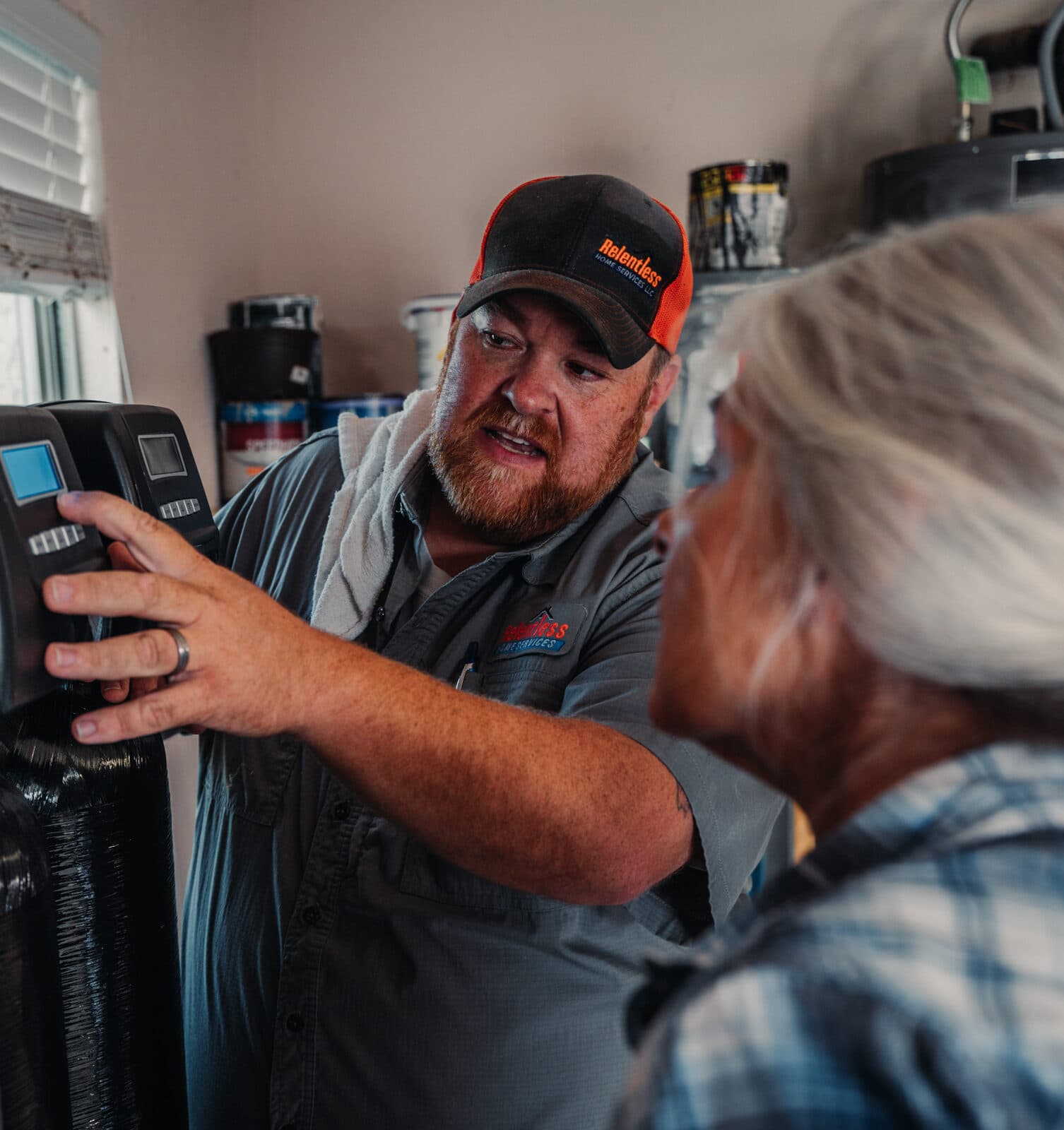
Most of us don't think much about our tap water — we turn on the faucet and assume it's clean. But municipal water treatment, while effective at removing most contaminants, doesn't catch everything. And the water's journey from the treatment plant to your tap can introduce new issues. Here are the signs that your home could benefit from a water filtration system.
1. Your Water Tastes or Smells Off
If your water has a chlorine taste, metallic flavor, or sulfur (rotten egg) smell, there's something in it that shouldn't be there — or at least something you'd rather not drink. Chlorine is added during municipal treatment and is safe in small amounts, but many people find the taste unpleasant. Metallic tastes can indicate elevated iron or manganese levels. A sulfur smell could point to hydrogen sulfide or bacteria in the system.
2. You See Discoloration
Clear water should be, well, clear. If your water has a yellow, brown, or rusty tint, it could indicate iron, manganese, or sediment in your supply. While not always dangerous, discolored water can stain laundry, fixtures, and dishes. It's also a sign that your water may contain other dissolved contaminants.
3. There's White Buildup on Everything
White, chalky deposits on faucets, showerheads, and dishes are a classic sign of hard water — high levels of calcium and magnesium. While a water softener addresses hardness specifically, a whole-house filtration system can tackle hardness along with other water quality issues.
4. Your Skin and Hair Feel Dry
If you step out of the shower feeling dry, itchy, or like you can't fully rinse the soap off, hard or contaminated water could be the culprit. Minerals and chemicals in untreated water strip natural oils from your skin and hair, leaving them dry and irritated.
5. You Have Recurring Plumbing Issues
Frequent clogs, corroded fixtures, or prematurely failing appliances can all be traced back to water quality. Sediment, scale, and corrosive water chemistry take a toll on your entire plumbing system over time. A filtration system protects everything downstream.
6. You Buy a Lot of Bottled Water
If you don't trust your tap water enough to drink it and are buying cases of bottled water regularly, a home filtration system will save you money in the long run — and eliminate all that plastic waste. A quality whole-house system provides clean water from every tap, not just the kitchen.
Types of Water Filtration Systems
Carbon filtration removes chlorine, sediment, and volatile organic compounds (VOCs). It's the most common type and improves taste and odor significantly.
Reverse osmosis (RO) pushes water through a semi-permeable membrane, removing up to 99% of dissolved contaminants. Typically installed under the kitchen sink for drinking water.
Whole-house systems treat all the water entering your home, protecting every fixture, appliance, and tap. These can combine multiple filtration methods for comprehensive treatment.
How to Know What You Need
The best way to determine which system is right for your home is to start with a water test. This identifies exactly what's in your water so you can target the right contaminants with the right technology.
At Relentless Home Services, we offer free in-home water quality testing. We'll test your water, explain the results, and recommend a system that fits your needs and budget. Call us at (817) 271-2999 to schedule your free test.
Need Help? We're Here For You
Our team is available for questions, advice, and professional service.
More Articles
10 Awesome Plumbing Hacks Every Homeowner Should Know
Discover simple plumbing tricks that can save you time and money. From preventing clogs to fixing minor leaks, these tips are essential for every homeowner.
How Does a Tankless Water Heater Work?
Learn how tankless water heaters provide endless hot water on demand and whether they're the right choice for your home.
Benefits of Installing a Water Softener in Your Fort Worth Home
Hard water can damage your plumbing and appliances. Learn how a water softener can protect your home and improve water quality.